A car becomes iconic by being wanted and a car shapes an industry by being copied. The five below managed both, each for one reason plain enough to say in a breath: a body shape, a turbocharger, two extra driven wheels, a tub of woven plastic, and a class of car nobody had asked for. Almost everything in a showroom today owes one of them a debt.
Range Rover

The first Range Rover was not meant to be a luxury SUV. The seats were vinyl so the interior could be washed out with a hose, the trim was minimal, and the engineering brief was simply a Land Rover that could also cross a country at speed. Coil springs instead of leaves, permanent drive to all four wheels, disc brakes at both ends.
What nobody planned for was the shape. David Bache and Spen King produced a body of such clean proportion that in 1971 it was exhibited at the Louvre as an example of industrial design. Buyers began ordering leather. Land Rover obliged, and every premium manufacturer alive now depends on the segment that followed.
Lamborghini Countach LP400
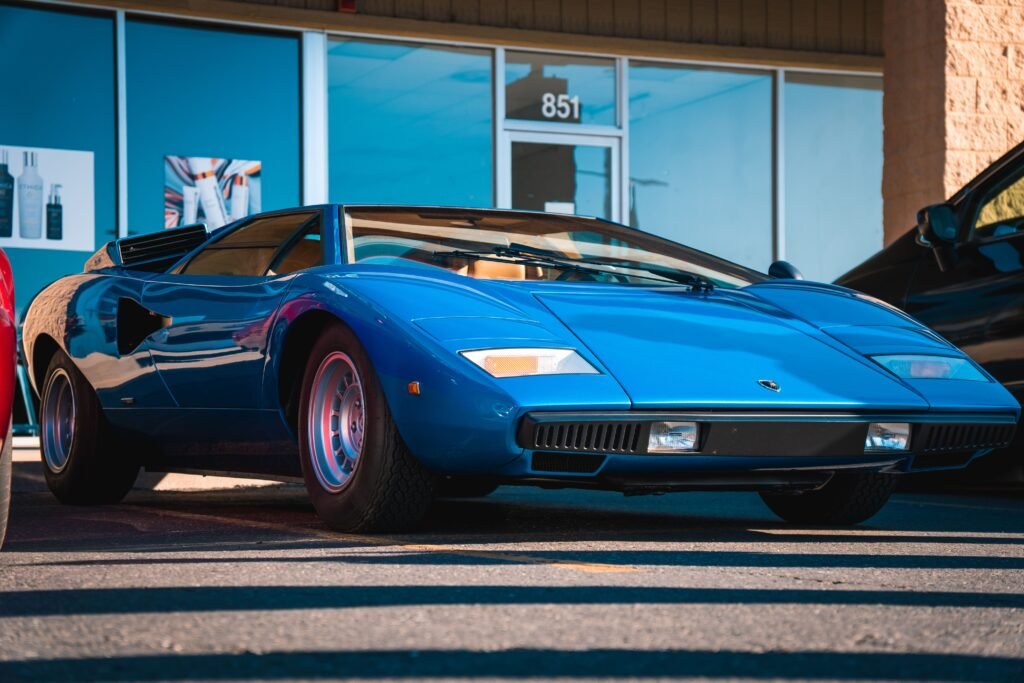
Marcello Gandini drew the shape that every supercar answered to for the next thirty years. Flat, narrow, unadorned, with doors that rise vertically because there was nowhere else for them to go, and a channel cut through the roof for a periscope, since rearward visibility was otherwise theoretical.
LP stands for longitudinale posteriore. The V12 lies lengthways behind the driver with its gearbox ahead of it, running forward between the seats, which is why the shifter falls exactly where a hand already rests and why the car carries almost no overhang. Everything the world came to expect of the form, the wedge, the width, the theatre, starts in this one narrow car.
Porsche 911 Turbo 3.0
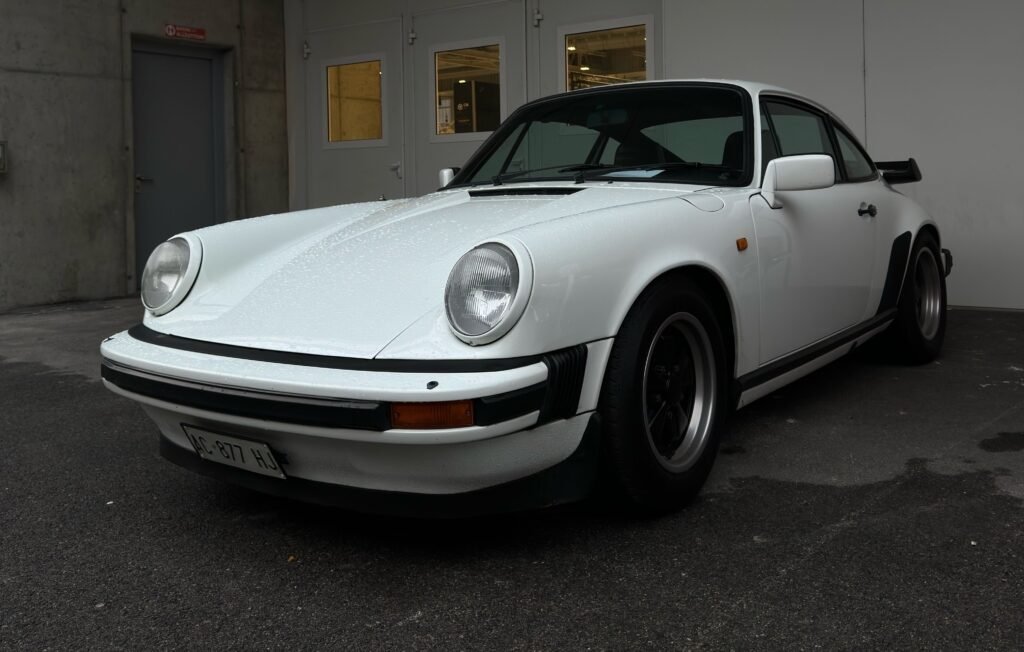
Porsche did not invent the turbocharged road car. BMW had already sold the 2002 Turbo in 1973, and General Motors had experimented a decade before that. What Porsche did was make forced induction permanent by proving it could be lived with.
The car existed because Group 4 racing demanded 400 road going examples, a rule that has produced more great cars than any design studio. Buyers received the whale tail, the flared body, a single turbo with crude boost control, and four gears, Porsche having decided that a fifth was surplus to the torque available. Lift the throttle in a corner and the weight over the rear axle attended to the rest. The Germans called it the Witwenmacher for a reason.
Audi Quattro
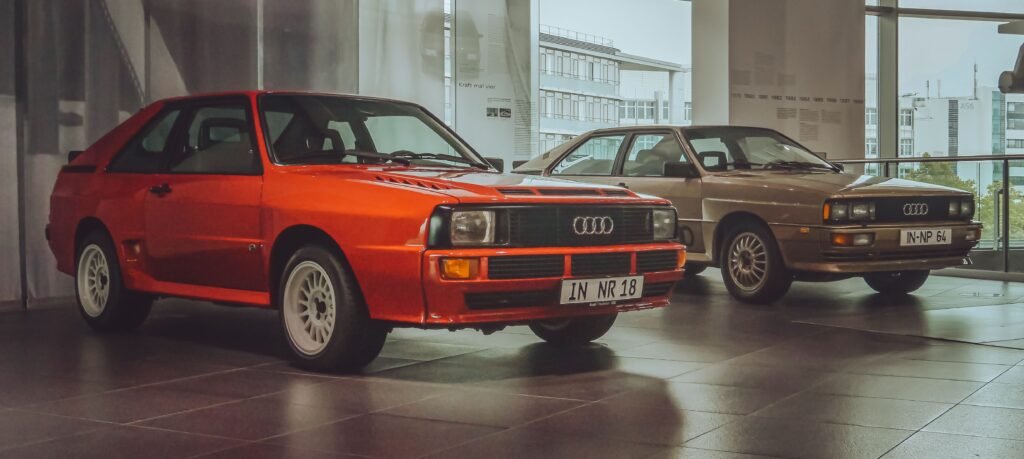
The idea arrived from a military vehicle. Audi engineers noticed that the VW Iltis, an unlovely thing built for the Bundeswehr, could outrun far quicker cars on snow, and concluded that driving all four wheels was a performance technology rather than an agricultural one.
Rallying settled the argument within a season. Everything on the stages became obsolete at once, and the sport spent the following years trying to catch up. The road car looked like a Coupé with wider hips and sounded, thanks to five cylinders, like nothing else on the market. Four driven wheels are now the default assumption for any fast car sold in a country with weather, and the reason is this one.
McLaren F1

Gordon Murray wanted no compromises and was given none. The F1 was the first road car built around a carbon fibre monocoque, a technique borrowed directly from Formula One and now standard for anything with serious ambition. The driver sits in the centre, a passenger on either side and slightly behind. The engine bay is lined with gold foil because gold reflects heat better than anything else available, and Murray was not interested in a second best answer.
Paul Rosche built the V12 at BMW Motorsport after Honda declined. In 1998 the car recorded 386 kilometres per hour, a production record that stood for years. One hundred and six were made, sixty four of them for the road. Every hypercar since has followed its construction, its packaging logic and its refusal to negotiate.
Honorable Mention: Volkswagen Golf GTI
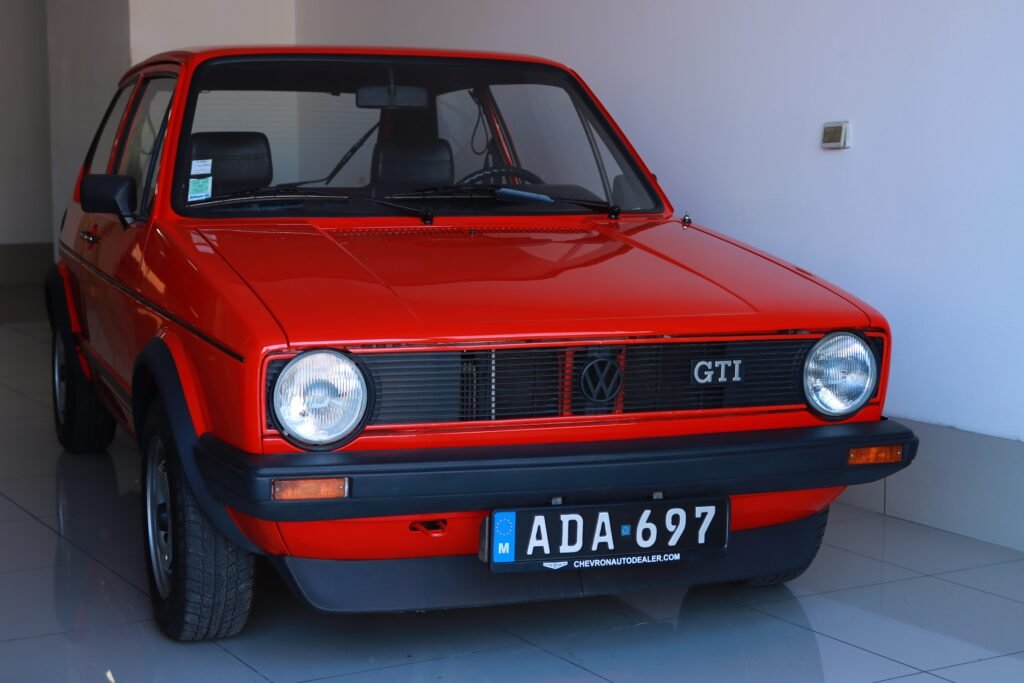
The most copied car on this page, and the only one designed in secret by people who assumed nobody would notice. A small group of Volkswagen engineers fitted fuel injection and a firmer chassis to an ordinary Golf, largely on their own initiative. Management approved a production run of five thousand to satisfy homologation and expected the matter to end there.
Instead it created the hot hatch, an entire category built on the observation that light weight beats large engines and that ordinary people would pay for a fast car they could also park. Every manufacturer in Europe followed.